How Can I Make Money from Writing?
10 Real Ways to Make Money from Writing in 2026 — Freelancing, Kindle Publishing, AI Book Writing, Copywriting, and More. Real Income Numbers for Each Path.
Quick Answer
How can I make money from writing? There are 10 proven ways to make money from writing in 2026: freelance content writing, copywriting, self-publishing on Kindle KDP, AI-assisted book writing, blogging and affiliate marketing, technical writing, UX writing, ghostwriting, email newsletters, and grant writing. The fastest path to first income is freelance writing — first payment possible within 30 days. The best passive income path is Kindle self-publishing, especially fiction series on Kindle Unlimited. The highest per-project income is direct-response copywriting ($5,000–$25,000 per sales page). This guide covers all ten in detail with real income numbers.
How can I make money from writing? If you've typed that question into a search bar, you already know the answer is complicated. Some writers swear they can't make a living from writing. Others have walked away from corporate careers because writing pays them more. Both are telling the truth — and the difference comes down entirely to how they write and what they write for.
The good news is that 2026 is genuinely one of the best years in history to earn money from writing. Demand for content is at an all-time high. E-book sales on Amazon have never been stronger. AI tools have opened the door for people who couldn't previously imagine writing a full book. And Kindle Unlimited — Amazon's subscription reading service — pays royalties every single time a subscriber reads a page of your book.
This guide answers the question how can I make money from writing in full — every legitimate path, in depth, with real numbers and real strategies. Whether you're a total beginner or an experienced writer looking to diversify, you'll find a path here that fits your situation. By the end, you'll know exactly which route to pursue first — and how to get moving today.
We cover: freelance writing, content writing, copywriting, technical writing, self-publishing on Amazon Kindle, using AI to write books, passive income from writing, ghostwriting, newsletters, and the fastest way to start making money from writing if you've never earned a dollar from it before.
The question how can I make money from writing doesn't have a single answer — it has at least ten, each with a different time investment, income ceiling, and skill requirement. This guide maps out all of them, compares them honestly, and helps you identify the one that fits your life right now.
Can I Really Make Money from Writing? The Truth in 2026
Is It Realistic to Earn Money from Writing?
Yes — and it's more realistic than most people believe. The writing industry is enormous. Every blog post you've ever read, every product description that convinced you to buy, every company newsletter, every self-help book, every novel that kept you up until 2 AM — someone wrote all of it, and they were paid for it.
The U.S. Bureau of Labor Statistics reports over 130,000 employed writers and authors in the United States alone, and that figure doesn't come close to counting the millions of freelancers, self-published authors, content creators, and bloggers who earn income from writing without traditional employment. When you factor in Kindle self-publishers, newsletter writers, ghostwriters, UX writers, and grant writers, the real number of people earning from writing is in the millions.
What's not realistic is expecting to snap your fingers and replace a full-time salary in 30 days. Writing income — like any skill-based income — tends to compound. The first month might bring $200. The sixth month might bring $2,000. The second year might bring more than your old job ever paid. Writers who succeed treat it like a business, not a hobby.
How Much Can Writers Actually Earn?
The range is enormous, and that's worth being honest about upfront. On the low end, a beginner writer picking up occasional gigs from content mills might earn $0.01 to $0.03 per word — which is $10 to $30 for a 1,000-word article. That's not a career. That's a trap designed to keep writers underpaid.
On the high end, experienced copywriters — especially those specializing in direct-response sales copy — regularly earn $5,000 to $25,000 for a single sales page. Ghostwriters in business and finance charge $50,000 to $200,000 to write a full book. Technical writers at major tech companies earn $80,000 to $160,000 per year with full benefits. And top self-published authors on Kindle — the ones who've built a backlist of 10 to 20 books — can earn $10,000 to $50,000 per month in royalties.
Most people starting out will fall somewhere in between. A competent freelance writer with 12 months of experience and a decent portfolio can realistically charge $0.10 to $0.25 per word — that's $100 to $250 for a 1,000-word article, and $5,000 to $12,500 for a 50,000-word book. A self-published Kindle author who releases one book per quarter might earn $500 to $3,000 per month from royalties after 18 months. These are achievable targets, not lottery odds.
Why Most Writers Give Up Too Early
The single biggest mistake aspiring writing entrepreneurs make is quitting during the compounding phase. Writing income doesn't grow linearly — it grows exponentially, but only after a ramp-up period that most people don't push through.
A freelance writer who spends six months consistently pitching, improving their portfolio, and taking feedback will be unrecognizable compared to where they started. A self-published author who publishes three books in a series will see dramatically better income per book than someone who published a single standalone novel and waited. A blogger who publishes 100 quality articles will be indexed in search engines and generating passive traffic in a way that 10 articles never could.
The writers who fail are the ones who try one thing for four weeks, see limited results, and pivot to something else. Consistency and patience aren't just soft skills in this industry — they're business strategy.
Choosing Your First Writing Income Path
If you're reading this as a complete beginner, the decision about where to start matters more than any other decision you'll make. Choosing the wrong starting point — one that doesn't suit your timeline, temperament, or resources — is the most common reason people abandon writing income entirely. Here's a simple framework for matching your situation to the right starting path.
If you have an existing professional background — you've worked in healthcare, finance, technology, law, marketing, or any other specialized field — freelance writing is your fastest path to meaningful income. Your existing knowledge is a competitive advantage that most freelance writers don't have. A nurse who writes for health brands, a former accountant who writes for fintech companies, or a software engineer who writes technical documentation can charge three to five times what a generalist writer can command for the same word count. Don't overlook what you already know — it's worth more in writing markets than you might expect.
If you have more time than money — if you're between jobs, caring for a family member at home, or simply have evenings and weekends available — self-publishing is worth pursuing from day one. The upfront investment is small (a book cover, formatting software, optional advertising budget), and the timeline from starting to first publication can be as short as four to six weeks with the right tools. The income doesn't come instantly, but every published book is an asset that earns indefinitely.
If you have a unique perspective or expertise you want to share — on any topic, from gardening to personal finance to parenting to self-publishing itself — a newsletter or blog lets you build an audience around that expertise over time. These channels take the longest to monetize but create the deepest reader relationships and the most diversified long-term income. Many successful writing entrepreneurs eventually own a blog, a newsletter, a Kindle backlist, and occasional freelance work simultaneously, diversifying across all four income streams as their audience and reputation grow.
Freelance Writing — The Fastest Path to Paid

If you need to generate writing income quickly — as in, in the next 30 to 60 days — freelance writing is your most direct route. Unlike blogging (which takes months to build traffic) or self-publishing (which requires completing a full book first), freelancing can result in your first paid piece within days of starting.
Freelance writing covers a wide range of formats: articles, blog posts, white papers, case studies, email newsletters, social media content, website copy, product descriptions, press releases, speech writing, and more. Most freelance writers specialize in a few niches rather than writing about everything, which allows them to command higher rates and attract better clients.
What Clients Actually Pay For
Here's what surprises most aspiring freelancers: clients don't pay for beautiful prose. They pay for results. A business hiring a freelance writer wants content that ranks on Google, that converts visitors into customers, that builds trust with their audience, or that saves their own team's time. The writer who understands these goals commands far higher rates than the one who thinks quality writing means eloquent sentences.
This means that learning basic SEO — keyword research, how to structure an article for both readability and search engines, how to write a compelling meta description — immediately makes you more valuable to content clients. Understanding marketing psychology makes your copy more persuasive. Understanding the client's industry makes your research faster and your content more accurate. Every skill you layer on top of "I can write well" is a multiplier on your rate.
Specialized knowledge is worth a premium. If you're a nurse who also writes, you can charge medical content rates that a generalist writer can't touch. If you have a finance background, fintech companies will pay you significantly more than they'd pay someone who just learned about compound interest last week. Your existing expertise from a previous career is a major asset in freelance writing — never underestimate it.
How to Find Your First Freelance Clients
The most common beginner mistake is signing up for low-paying content mills like Textbroker or iWriter and then burning out at $15-per-article rates. These platforms exist to serve clients who want cheap content — and while they can provide early writing practice, they're not a long-term strategy.
A better approach for landing first clients:
- LinkedIn cold outreach: Identify marketing managers, content managers, and founders at B2B companies in your niche. Send a personalized message that shows you've read their content, identify a specific gap, and offer a solution. Keep it brief and confident.
- Job boards: ProBlogger Job Board, We Work Remotely, and the Freelance Writers Den job board all list writing gigs at fair rates. Apply with a tailored pitch, not a generic cover letter.
- Content agencies: Agencies like Animalz, Siege Media, and Column Five are always looking for reliable freelance contributors. The rates are mid-range but the work is consistent and builds your portfolio fast.
- Direct pitching: Find blogs or publications you admire in your niche, study their content carefully, and pitch a specific article idea that fits their audience. Many successful freelancers built their careers entirely on well-researched pitches to publications they genuinely read.
- Your warm network: Tell everyone you know that you're a freelance writer. Former colleagues, friends who run small businesses, local entrepreneurs — the first client often comes from somewhere completely unexpected.
Build three to five portfolio pieces before you start pitching. These can be articles you wrote specifically as samples, even if they were never published anywhere. Quality matters more than publication credits at this stage.
Setting Rates and Raising Them
New freelance writers almost always undercharge. It feels safer to charge $50 for an article than $200, because you're afraid the client will say no. But the math of freelancing means that charging low rates requires you to write an enormous volume just to survive — which is exhausting, unsustainable, and prevents you from doing your best work.
A better framework: research the going rates in your niche, add 20% to whatever feels comfortable to you, and start there. You'll lose some prospects — but the clients who hire you at higher rates tend to be better clients. They value quality, they give clear briefs, and they come back with more work.
Raise your rates with every new client, not every year. Each time you take on a new project, quote slightly higher than your last project. Over 12 months of consistent pitching, this simple practice can double your effective rate without a single uncomfortable "rate increase" conversation.
Want to Earn from Your Writing WITHOUT Clients?
Freelancing is great — but it means trading time for money, one client at a time. What if you could write a book once and earn royalties from it every single month — while you sleep, while you're on holiday, while you're working on other projects? That's what Kindle publishing makes possible. And Cozy Co-Author is the AI system that makes it achievable for anyone — even without writing experience.
See How Cozy Co-Author Works →Content Writing and Blogging for Income
Blogging has had its obituary written dozens of times over the past decade — and every time, it's been premature. In 2026, well-executed blogs built around genuine expertise and SEO strategy still drive millions in income for their creators. The difference is that the easy road is closed. You can't throw up 300-word posts on a free Wordpress.com subdomain and expect income. But thoughtful, authoritative, deeply researched content on a properly configured site still generates income that compounds for years.
Starting a Blog That Actually Makes Money
Profitable blogs are media businesses — not online journals. The distinction matters. A journal is for you. A media business is for an audience with a specific set of problems you're going to solve with content. Before writing a single post, answer three questions: Who is my reader? What specific problems do they have? What will make my site the best resource they can find on this topic?
The technical foundations are straightforward: a self-hosted WordPress or similar site (never a free platform), a clean theme that loads fast, basic on-page SEO tools (Yoast or RankMath), and a sitemap. Domain authority builds slowly, so choose a domain name you'd be comfortable sticking with for ten years.
Your content strategy should prioritize long-tail keywords — specific search phrases with clear intent and manageable competition — over broad "head" keywords. A new blog will never rank for "writing tips" against sites with ten years of domain authority. But it can rank for "how to write a cozy fantasy book for Kindle" or "what to charge for B2B white papers as a freelancer." Every piece of content should target a specific searcher with a specific need.
Consistency is non-negotiable in early-stage blogging. Publishing one post per week for a year — 52 substantial, well-researched posts — creates a foundation that few bloggers actually build because most quit in months two or three.
How Bloggers Monetize
The biggest mistake bloggers make is choosing one monetization method and ignoring the others. The most profitable blogs layer multiple revenue streams:
- Affiliate marketing: Recommending products relevant to your audience and earning a commission on sales. This scales infinitely — a post you wrote two years ago can earn commission today without any additional work.
- Display advertising: Programs like Mediavine and AdThrive pay $15 to $40+ per 1,000 pageviews to sites that qualify (usually 25,000–50,000 sessions/month minimum). Not the most glamorous revenue, but genuinely passive.
- Sponsored content: Companies pay for articles, reviews, or social posts that promote their products to your audience. Rates range from $200 to $5,000+ depending on traffic and niche.
- Digital products: Templates, courses, e-books, and toolkits you create once and sell repeatedly. Often the highest-margin revenue for established bloggers.
- Email list monetization: A loyal email list of even 5,000 subscribers who trust your recommendations can generate significant income from affiliate offers and product launches.
If you want to learn how AI tools are changing the writing game, you'll find some of the most interesting opportunities at the intersection of blogging and AI-assisted content creation.
How Long Does Blogging Take to Pay Off?
Honest answer: most bloggers see meaningful income starting somewhere between month 12 and month 24. This assumes consistent publication, proper SEO implementation, and strategic monetization from day one. Blogs that treat SEO as an afterthought, post irregularly, or monetize with pop-up ads from day one tend to struggle longer.
The good news about the timeline: blogs are extremely high-leverage assets once established. A well-ranked article can drive traffic and affiliate commissions for five to ten years. The hours you invest in months six through twelve of a blog are often the most valuable work you'll ever do, because those articles compound in value over time in a way that almost no other business model does.
Copywriting — The Highest-Paid Writing Skill
If you want maximum earning potential from writing without the long runway of blogging or the volume requirements of freelance content writing, direct-response copywriting is the career path to study. Skilled copywriters are among the highest-paid writing professionals in the world — and the gap between a mediocre copywriter and an excellent one is worth tens of thousands of dollars per project.
What Copywriters Write
Copywriting is writing designed to persuade the reader to take a specific action — usually to buy, subscribe, donate, or click. The key types of copy include:
- Sales pages: Long-form pages that make the case for a product or service and ask for the sale. A skilled copywriter can charge $3,000 to $25,000 for a single high-converting sales page.
- Email sequences: Automated series of emails that nurture leads and guide them toward a purchase. Email copywriters who understand sequences and deliverability are in constant demand.
- Advertising copy: Short, punchy copy for Google Ads, Facebook Ads, and other paid channels. Often project-based or retained work.
- Direct mail: Still a significant industry. Some of the highest-paid copywriters in the world work primarily in direct mail for financial publishers and supplement companies.
- Video sales letters (VSLs): Scripts for video-based sales presentations. Growing demand as video marketing expands.
Learning Copywriting from Scratch
The best copywriting education available is free: read the great copywriters. Gary Halbert, Eugene Schwartz, David Ogilvy, and Claude Hopkins wrote copy that still converts decades later. Study what they wrote and, more importantly, why it works. Handwriting successful ads is a classic exercise for internalizing good copy structure — it sounds tedious, but professional copywriters swear by it.
Invest in one structured copywriting course — not because the information is unavailable for free, but because structure accelerates learning. The AWAI Accelerated Program for Six-Figure Copywriting and Copy Hackers' courses are well-regarded starting points. After that, practice matters far more than additional study. Write spec pieces. Enter copywriting competitions. Get your work critiqued.
Your first paid copywriting work will probably be at below-market rates — and that's okay. You're buying portfolio pieces and testimonials, not a living wage. Within six to twelve months of focused practice and client work, skilled copywriters typically reach rates that most content writers won't achieve in five years.
Direct Response vs. Brand Copywriting
Direct-response copy is measured on immediate results: did the email generate sales? Did the ad produce clicks at a profitable cost? This accountability is what makes it the highest-paid category. When you can demonstrably move the revenue needle, you can charge accordingly.
Brand copywriting — writing that builds awareness, culture, and identity rather than driving direct sales — is also valuable and often pays well at agencies and in-house at larger companies. The tone is typically more creative and less formula-driven. Many copywriters are drawn to brand work for its creative latitude, while direct-response pays more per project.
Technical Writing and Specialized Niches
One of the best-kept secrets of writing for money is technical writing. It's less glamorous than creative writing or copywriting, but it offers some of the most stable, well-compensated writing careers available — often with full benefits, remote work, and professional advancement tracks at technology companies.
UX Writing, Grant Writing, Medical Writing
UX Writing is the practice of writing the microcopy inside software products — button labels, error messages, onboarding flows, tooltips, and empty states. Companies like Google, Apple, Airbnb, and Shopify employ full-time UX writers, and startups routinely hire them as contractors. A UX writer with two to three years of experience can command $90,000 to $140,000 per year. The skill set combines writing with user research, information architecture, and basic UX principles — all learnable with dedicated study.
Grant writing is writing funding proposals for nonprofits, research institutions, and government programs. Grant writers often work as independent consultants, earning either a flat fee per proposal or a percentage of awarded grants (though the latter is considered unethical by some professional associations). A skilled grant writer who understands the specific grant programs in a niche — healthcare, environmental, education — can earn $60,000 to $120,000 per year.
Medical and health writing covers everything from patient education materials and clinical trial reports to health journalism and pharmaceutical marketing. Medical writers with science backgrounds can earn $80,000 to $200,000+, especially in regulatory writing for clinical trial documentation. Even health writers without a science degree can earn well writing consumer health content, though rates are lower.
Getting Into Technical Writing Without a Degree
A degree in the relevant field helps but is rarely strictly required — especially for contract and freelance technical writing. What matters most is demonstrating that you can produce clear, accurate documentation in the relevant domain. Build this evidence by:
- Writing documentation for open-source software projects (visible contribution, portfolio builder)
- Creating sample technical documents in your target niche (API documentation, user guides, SOPs)
- Getting certified — the Society for Technical Communication (STC) offers credentials that signal commitment to the field
- Taking relevant online courses in your subject area (a health writer who understands clinical research speaks a different language than one who doesn't)
Rates and Demand for Specialized Writers
Specialized writing commands premium rates because supply is genuinely limited. Most people who know enough about software architecture to write great API documentation are software engineers — and software engineers don't want to write documentation. The writer who has technical depth and communication skill is genuinely rare and compensated accordingly. In-demand specializations include: API documentation, regulatory affairs writing, cybersecurity content, fintech content, and medical device documentation.
Self-Publishing and Kindle — Writing for Passive Income
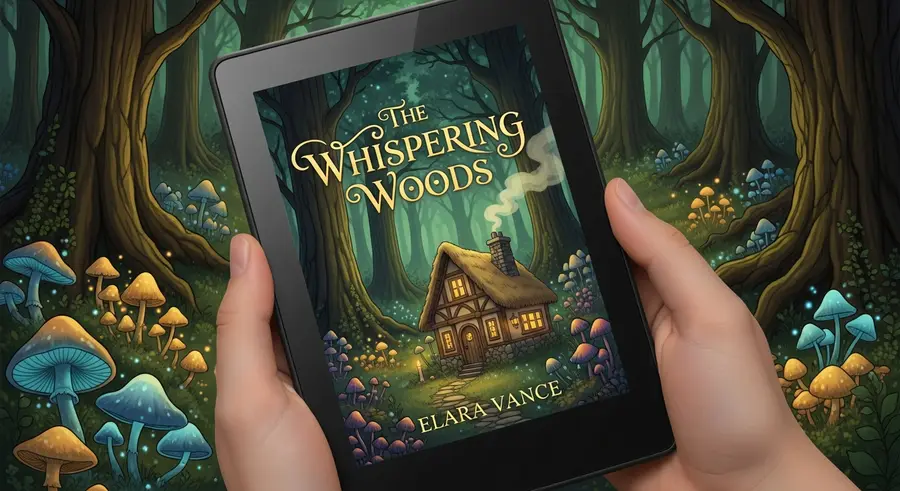
Self-publishing on Amazon Kindle — through Amazon's KDP (Kindle Direct Publishing) platform — has created more independent writing millionaires in the last decade than traditional publishing. The economics are fundamentally different: instead of earning 8-15% royalties on a publisher's retail price, self-publishers earn 35-70% royalties on their own prices. Instead of waiting 18 months from manuscript to shelf, a self-published book can be live on Amazon in 24-48 hours.
For many writers, KDP isn't just a revenue stream — it's the primary revenue stream, and a genuinely passive one. A book you write today can sell copies and earn Kindle Unlimited page-read royalties for years with no additional work.
How KDP Royalties Work
Amazon KDP offers two royalty structures for e-books. Books priced between $2.99 and $9.99 earn a 70% royalty on sales in major markets (US, UK, Canada, Australia, and others). Books priced outside that range earn a 35% royalty. For a book priced at $4.99, the 70% royalty structure pays approximately $3.45 per sale.
Kindle Unlimited (KU) works differently. When you enroll your book in KDP Select (which requires Kindle exclusivity), subscribers who read your book through the KU subscription service generate Kindle Edition Normalized Page (KENP) reads. These page reads are paid from a global fund — typically worth $0.004 to $0.005 per page read. A 300-page book fully read generates approximately $1.20 to $1.50 per KU reader. This adds up quickly when you have multiple books in a series.
To read a detailed breakdown of how these numbers work in practice, see our guide to Kindle Unlimited royalties explained.
Why Cozy Fantasy Is the Hottest Self-Publishing Niche Right Now
Cozy fantasy — fantasy fiction with the stakes turned down and the warmth turned up — is experiencing one of the most remarkable growth trajectories in modern publishing. The genre was essentially defined by Travis Baldree's Legends & Lattes, which he self-published in February 2022. It sold 40,000 copies in two months with no agent, no publisher, and no platform. Tor Books acquired it three months later. It became a New York Times bestseller, a Hugo and Nebula finalist, and a bestselling series in nine languages.
The genre has grown 41.3% in SF/fantasy book sales from 2023 to 2024. Adult fiction sales reached $3.26 billion in 2024, up 12.6%. Readers aren't just buying these books — they're binging series, joining BookTok communities dedicated to the genre, and actively seeking the next cozy fantasy author to follow.
Why does this matter for writers? Because cozy fantasy has high reader demand, manageable competition compared to thriller or romance, enthusiastic KU enrollment (cozy fantasy readers are power KU users), and series read-through rates that are among the highest in fiction. A cozy fantasy reader who loves your first book will almost certainly read the second and third. That's the foundation of a Kindle income that compounds.
For a full breakdown of how to write and sell in this genre, see our guide to cozy fantasy books: how to write and sell.
From Idea to Published Book — The Process
The self-publishing process is more accessible than most aspiring authors realize. The steps are:
- Choose a concept: A character, a setting, a central question. For cozy fantasy, think: what kind of small magical world would readers want to escape to? A tea shop run by a retired adventurer? A bakery with enchanted recipes? A bookshop in a harbor town?
- Outline: A three-act structure with key plot beats. You don't need a chapter-by-chapter outline — just enough to guide the writing and prevent getting stuck.
- Draft: Write the first draft. Speed matters here — perfecting chapter one while chapters six through twenty don't exist yet is a trap. Write through to the end.
- Edit: Structural edit first (does the story work?), then line editing (does each scene work?), then copyediting and proofreading.
- Cover design: On Amazon, cover design is arguably more important than the writing. A professional, genre-appropriate cover is the single highest-ROI investment in self-publishing. Budget $100-$500 for a good cover.
- Format and upload: Format your manuscript for e-book (Vellum, Atticus, or Calibre work well) and upload to KDP. Set your price, write your metadata (title, subtitle, description, categories, keywords), and publish.
How Many Books Do You Need to Earn Full-Time?
The math depends on your genre, price point, and KU enrollment. A realistic model: a cozy fantasy series with three books, each priced at $4.99, enrolled in Kindle Unlimited, and reaching 300 KU readers per book per month would generate approximately $1,350/month in page reads alone. Add direct sales and the number grows. After 12 months and three books, many authors see $2,000-$5,000/month. After three years and six to eight books, some reach $10,000+/month.
For more details on building this kind of income, see our guide to making money self-publishing on Kindle and how to make money writing eBooks on Amazon.
Write Your First Kindle Book — Even If You're Not a Writer
Cozy Co-Author is a two-file AI system that turns a single idea into a publish-ready cozy fantasy novel. You paste the files into Claude, answer 14 questions, and the system writes with you chapter by chapter. The creator published a trilogy of 236,000 words in 13 days. It outranked the biggest names in the genre on Amazon. Every day, all three books keep earning Kindle Unlimited royalties.
Get Cozy Co-Author for $27 →Using AI to Write Books and Earn Royalties
The landscape for writing books changed fundamentally between 2022 and 2026. AI writing tools — Claude, ChatGPT, and others — went from novelty to serious creative partner, and the writers who understood how to use them productively are earning at a pace that would have been impossible without them.
Here's what matters, and what doesn't, about AI and book writing.
How AI Writing Tools Have Changed Publishing
AI hasn't replaced writers — it's replaced the blank page. The blank page was always the hardest part. Deciding what happens next, finding the right words for a scene, maintaining consistent character voice across 80,000 words — these were the specific friction points that made book-writing inaccessible to most people and painfully slow even for skilled authors.
AI writing tools address all of these friction points, but only when used correctly. An AI model by itself produces generic, drifting prose — it has no idea what your character decided three chapters ago, or what your plot needs to accomplish in the next scene. Used naively, AI produces what's colloquially called "AI slop": content that's technically coherent but hollow, inconsistent, and unmemorable.
The writers earning from AI-assisted books aren't using AI as a replacement for thinking. They're using structured systems that feed the AI the context it needs — character details, plot beats, thematic goals, world-building notes — to produce writing that's actually good.
The Right Way to Use AI (So Your Books Are Actually Good)
The difference between AI slop and AI-assisted good writing comes down to one thing: context management. Language models like Claude produce output based on what they're given in the context window. Give them nothing but a vague prompt ("write chapter 5 of my fantasy novel") and you get generic filler. Give them rich, specific context — your world, your characters, your plot arc, the emotional beats of this specific scene — and you get writing that feels intentional and alive.
This is why frameworks and prompt systems matter so much more than the raw AI model. The best AI writing systems aren't prompts — they're structured documents that give the AI everything it needs to produce consistent, quality work across a full-length novel. Character bibles, scene templates, chapter context documents, consistency checks — these are the scaffolding that separates good AI-assisted books from bad ones.
To read a full breakdown of which tools actually work, see our guide on AI tools for writing books to sell.
Why Cozy Fantasy Is Perfect for AI-Assisted Writing
Not all genres benefit equally from AI assistance. Cozy fantasy is particularly well-suited for several reasons:
- Genre conventions are clear: Low stakes, small community, warm protagonist, a mystery or problem resolved through kindness rather than violence. These defined parameters give AI a clear brief to work within.
- World-building is manageable: A cozy fantasy world is typically a single small town, village, or neighborhood — not a sprawling epic universe with thousands of years of history. Less context to maintain means more consistent output.
- Character depth over action: Cozy fantasy is character-driven, and AI excels at maintaining character voice when given a detailed character document. Readers come for the relationships, the comfort, and the small stakes — and AI can deliver these well with proper guidance.
- Series potential: The same characters and world across multiple books mean the foundational context is already built after book one. Books two and three are significantly faster to produce because you're building on what already exists.
What Cozy Co-Author Does Differently
Cozy Co-Author is a specific AI writing system — two files used with Claude — built specifically for cozy fantasy novels. It's not a generic writing tool or another subscription service. It's a one-time $27 purchase that gives you a complete framework for producing cozy fantasy novels from idea to publish-ready manuscript.
The system works through a structured process: paste the two files into Claude, answer 14 questions about your book's concept, characters, and setting, and then work through the novel chapter by chapter with the AI as your co-author. The framework handles the consistency problems — it tracks what has happened, what the characters know, what the world establishes — so the AI isn't starting fresh with each chapter.
The creator of Cozy Co-Author published a trilogy — 236,000 words across three complete novels — in 13 days under the pen name Kit Ellis. The books (the Whiskers & Wildwood series) outranked established genre authors on Amazon and continue earning Kindle Unlimited royalties every day. Real covers. Real reviews. Real income from a real system.
For a complete look at this method, see our article on how to write a novel fast and publish it.
Passive Income from Writing — Making Money While You Sleep
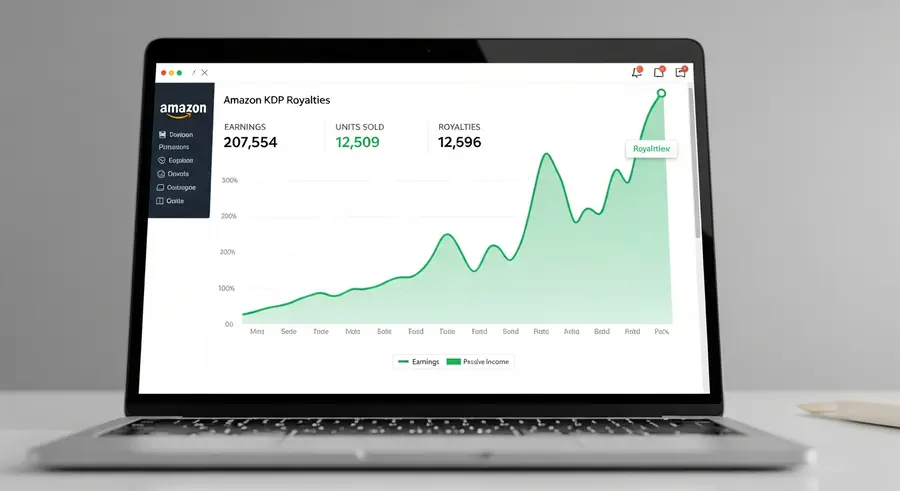
"Passive income" is often used as a buzzword to sell courses to people who want to get rich without working. The honest version of passive income from writing is different: it requires real work upfront, and then generates income with minimal ongoing effort. Books are the purest example of this in the writing world.
What Passive Writing Income Actually Looks Like
A book published on Amazon Kindle generates income from two sources: direct sales (someone buys the e-book) and KU page reads (someone who subscribes to Kindle Unlimited reads it). Both happen 24 hours a day, 365 days a year, including days when you're sleeping, on holiday, sick, or working on your next book.
This is genuinely passive in the meaningful sense. After the book is published, you might run occasional promotional campaigns (running a KDP Countdown Deal or making the book free for a few days to spike visibility), but these are optional. The base income continues regardless.
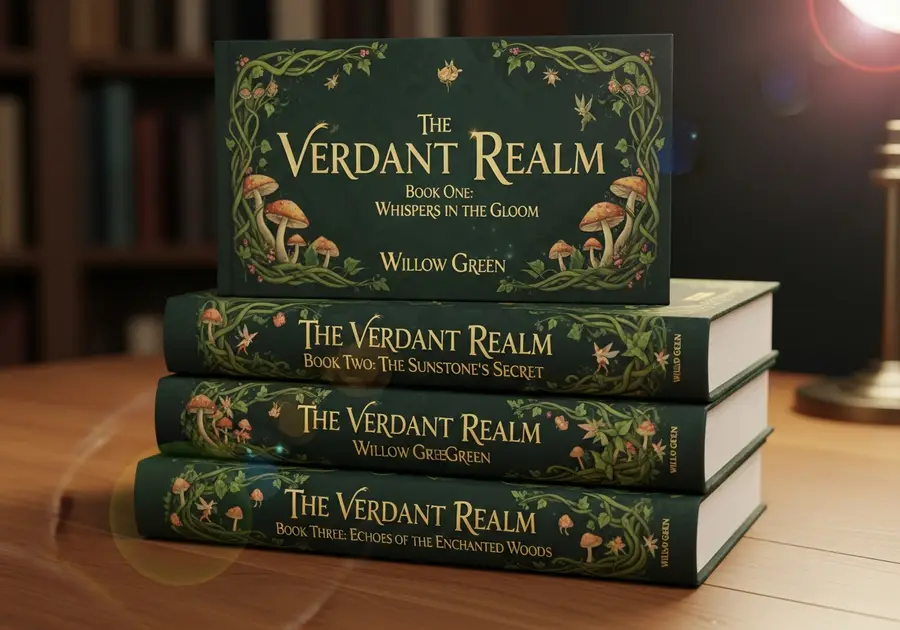
The key to meaningful passive income from writing is building a backlist — a portfolio of published books. One book generates a trickle. Three books generate a stream. Ten books can generate a flood. This is why the most successful Kindle authors publish consistently rather than waiting to perfect a single book indefinitely.
Books vs. Courses vs. Templates
Kindle books are the most accessible form of passive writing income because the distribution infrastructure (Amazon's marketplace) already exists and serves hundreds of millions of customers. You don't need to build an audience first. You need to write a good book in a category people are already searching for.
Online courses are higher potential income per unit but require an existing audience, significant production effort, and ongoing marketing. They're excellent for writers who already have a platform — a large blog, YouTube channel, or email list — but a poor starting point for writers building from zero.
Digital templates (writing templates, business templates, planners, and similar) sell well on platforms like Etsy and Gumroad. They're lower per-unit income but fast to create. A writer who understands what other writers need could earn a side income from well-designed writing templates without building a massive following.
Building a Portfolio That Earns Continuously
The Kindle gold standard is a series of three or more books in the same genre, with a compelling series title and consistent cover design. When a reader finishes book one and loves it, they click directly to book two. This "series read-through" is what transforms modest single-book income into substantial recurring income. Read our full guide to passive income from writing books for a detailed breakdown of how to structure and scale your Kindle portfolio.
For a specific strategy on building a series that converts readers from book one to book three, see our article on how to write a book series that sells.
Ready to Build Passive Income from Writing?
Stop trading hours for dollars. Cozy Co-Author lets you build a book series that earns Kindle Unlimited royalties every single day — from books you wrote once with AI assistance. One system. One weekend to start. Income that continues whether you're writing or not.
Start Your Book Series Today →How Can I Make Money from Writing With No Experience? Beginners Start Here
If you're completely new to earning from writing — no portfolio, no clients, no published books — the question isn't "which path is best?" It's "which path fits my situation right now?" Here's how to choose.
What to Focus on in Your First 90 Days
If you want income fastest: Freelance writing is your best bet. Spend week one building two to three portfolio samples in a niche you know well. Week two: identify 20 potential clients (businesses, publications, agencies). Weeks three and four: pitch ten of them with specific, tailored proposals. Don't wait until you feel "ready" — you won't feel ready until you've been rejected five times and hired twice.
If you want passive income: Start a Kindle book. Even if it takes three months to complete, you'll have an asset that earns indefinitely. If the thought of writing 60,000 words is intimidating, explore AI-assisted writing — tools like Cozy Co-Author are specifically designed to make this process accessible to people who don't consider themselves writers.
If you want to build something big over 12-24 months: Start a blog in a niche you're genuinely knowledgeable about. Commit to publishing one substantial, well-researched article per week. Learn on-page SEO. Build an email list from day one. This is the slowest path to first income but often the highest ceiling for experienced practitioners.
Building a Portfolio from Zero
You don't need to be published anywhere to have a portfolio. Write three to five articles on topics in your target niche — real articles, the length and quality you'd want to be hired to produce. Publish them on Medium, your own blog, or LinkedIn. Then link to them when pitching clients.
Guest posting is another powerful portfolio builder. Find publications in your niche that accept contributor submissions and pitch a specific article idea. Even if the publication is small, a byline at a real publication is more persuasive than the same article on your own site. See our guide on how to make money writing online for beginners for a step-by-step plan.
If you're wondering whether fiction writing is a realistic income path, our article on can you make money writing fiction gives an honest breakdown of the current market.
How Can I Make Money from Writing? — The 10 Best Ways in 2026
If you've made it this far, you now have a complete answer to how can I make money from writing — not a vague "just start blogging" platitude, but a real breakdown of ten distinct paths, each with specific income ranges, realistic timelines, and actionable strategies. Every path on this list has been used by real writers to earn real income in 2026. Here's the condensed version:
- Freelance content writing: Write articles, blog posts, white papers, and case studies for businesses. Start in a niche you know. Charge $0.10/word minimum. Scale through direct client relationships and agencies.
- Copywriting: Write persuasive sales copy for businesses and direct-response campaigns. The highest per-project rates in commercial writing. Steep learning curve, but high ceiling.
- Blogging and affiliate marketing: Build a content site in a specific niche, drive organic traffic, and earn commissions from affiliate recommendations. Slow start, high long-term upside.
- Self-publishing on Kindle KDP: Write and publish e-books on Amazon. Earn 70% royalties and Kindle Unlimited page reads. Best results come from publishing a series in a popular genre.
- AI-assisted book writing: Use AI tools like Cozy Co-Author to write publish-ready fiction faster than was previously possible. Particularly effective in cozy fantasy, a booming genre on KDP.
- Technical writing: Produce documentation, user guides, and technical content for software companies and other technical industries. Stable income, often remote, can lead to full-time employment.
- UX writing: Write microcopy for software products. High demand from tech companies and startups. Combines writing with UX thinking.
- Grant writing: Write funding proposals for nonprofits and research institutions. Specialized skill with strong demand and high per-project fees.
- Ghostwriting: Write under someone else's name. Business books, memoirs, and thought leadership content. Can pay $10,000 to $50,000+ per book.
- Email newsletters: Build a subscriber list around a specific topic and monetize with sponsorships, affiliate recommendations, and products. Beehiiv and Substack have made newsletter publishing more accessible than ever.
How Can I Make Money from Writing? — Every Question Answered
How can I make money from writing as a complete beginner?
As a complete beginner, the fastest way to make money from writing is freelance content writing. Pick a niche you know well from your professional background or life experience, write two or three strong sample articles in that niche, and start pitching businesses and blogs in that space. Your first paid article is possible within 30 days of starting. Self-publishing on Kindle is the best passive income path for beginners — Amazon KDP requires no credentials or prior publishing credits, just a manuscript. AI tools like Cozy Co-Author make writing that first book achievable even without a writing background.
How much money can you make from writing?
Writing income ranges widely. Beginner freelancers earn $50 to $200 per article. Experienced specialists earn $0.25 to $1.00 per word — $250 to $1,000 for a single article. Copywriters earn $3,000 to $25,000 per sales page. Ghostwriters earn $10,000 to $100,000+ per book. Kindle authors with a three-to-five-book series earn $500 to $10,000 per month in royalties after 12 to 18 months. Top self-published authors earn $10,000 to $50,000 per month. The path you choose, your niche, and your consistency determine where in that range you land.
Can you earn money writing from home?
Yes — writing is one of the most location-independent income paths available. Freelance writing, Kindle self-publishing, copywriting, ghostwriting, and newsletter writing all work entirely from home. Most professional writing work today is remote by default. The tools you need are a computer, an internet connection, and the writing skills you develop over time. See our full guide on how to make money writing from home for a complete breakdown.
Is there still money in writing in 2026?
Yes — but the landscape has shifted. Commodity writing (generic, short-form content anyone could produce) is under pressure from AI. Specialized writing — expert-authored long-form content, high-converting copy, genre fiction on Kindle Unlimited — is as valuable as ever. Writers who specialize and develop genuine expertise in a niche earn more in 2026 than they did five years ago. The writers struggling are those competing on volume at low rates. See our full analysis: is there still money in writing.
How do I start writing and earning money?
Choose one income model — freelancing, self-publishing, or copywriting — and commit to it for 90 days. For freelancing: write three sample articles, identify 20 businesses in your niche, pitch them. For self-publishing: outline your book, draft it (AI tools help enormously here), publish on KDP. For copywriting: study the foundational texts, write spec copy, build your portfolio. The biggest mistake is trying all three at once before any of them pays. Pick one, go deep, get your first income, then expand. Full plan: how to start writing and earn money.
Can you make money writing with no experience?
Yes. Every writer who earns from writing started with zero experience. Freelance writing lets you build a portfolio from scratch before you have any clients — write practice articles in your niche and use them as samples. Self-publishing requires no prior publication history — Amazon KDP is open to anyone with a manuscript. The income takes time to build, but there is no credential, degree, or experience requirement for any of the main writing income paths. More detail: making money writing with no experience.
Is writing a good source of passive income?
Books published on Amazon Kindle are one of the most accessible forms of passive income for writers. Once published, a book earns royalties from sales and Kindle Unlimited page reads every day — indefinitely, with no additional work. The passive income grows as you build a backlist. A writer with ten books in a popular genre can earn $5,000 to $30,000 per month entirely passively. Bloggers who build strong organic traffic also earn passive income through affiliate commissions and display advertising. See: passive income from writing books.
How long does it take to make money from writing?
Freelance writing: first income within 30 to 60 days of focused pitching. Copywriting: first paid client within 60 to 90 days of skills development and pitching. Kindle self-publishing: first royalties within days of publishing, meaningful income (over $1,000/month) typically after 12 to 18 months and three or more books. Blogging: meaningful income usually begins at 12 to 24 months of consistent publishing. The fastest path from zero to paid is freelance writing. The best long-term investment of writing time is building a Kindle book series.
What type of writing pays the most?
Per project, direct-response copywriting pays the most — experienced copywriters earn $5,000 to $25,000 per sales page. Ghostwriting books for executives also pays exceptionally well ($30,000 to $150,000 per book). For ongoing passive income, Kindle self-publishing with a large backlist can generate more total annual income than most writing jobs. Technical and regulatory writing offers the highest salaried income ($80,000 to $160,000 per year). See our breakdown: how much do writers make in 2026.
Can AI help me make money from writing?
Yes — specifically for Kindle self-publishing. AI writing tools like Cozy Co-Author provide a structured system for producing a complete, publishable novel using AI assistance. The key is using a system that maintains character consistency and narrative coherence across a full manuscript — not just prompting AI for random scenes. Writers using Cozy Co-Author have gone from first idea to a complete cozy fantasy novel in days, then published on KDP and started earning royalties. AI doesn't remove the author — it removes the blank-page friction that stops most first-time authors before they finish chapter three.
What is the single best way for me to make money from writing?
There is no single best way — the right answer depends on your timeline, skills, and goals. If you need income within 30 days: freelance writing. If you want passive income that compounds over years: Kindle self-publishing. If you have specialized professional expertise: technical writing or copywriting will pay more, faster. If you want to build a loyal audience: newsletter or blog. Every path works — the one that fails is trying all of them simultaneously without committing to any. This guide covers all ten paths in detail so you can make the right choice for your situation.
The Fastest Way to Start Earning from Writing in 2026
Out of everything on this page, the single fastest path from "zero" to "earning" is publishing on Kindle. And Cozy Co-Author makes that achievable this weekend — for $27, no writing experience needed. Two files, Claude, 14 questions, and your first novel is underway before you go to bed tonight.
Get Instant Access to Cozy Co-Author →More Answers: Common Questions About Making Money From Writing
Beyond the main paths covered above, there are a handful of questions that come up again and again for anyone exploring writing income. Here are honest, direct answers to the most common ones — each linking to a full article if you want to go deeper.
I Want to Make Money Writing — Where Do I Actually Start?
If you have decided you want to make money writing but have no idea which direction to take first, the answer depends on your timeline. If you need income within 30 days, freelancing is your fastest route — pick a niche you know, write two or three sample articles, and start pitching businesses and publications in that space. If you want income that earns while you sleep, self-publishing on Amazon Kindle is the model to learn. And if you want the fastest path from idea to published Kindle book, AI-assisted tools like Cozy Co-Author compress the timeline from months to days. Read the full guide: I want to make money writing — where to start.
How to Make Money Freelance Writing
Freelance writing is still one of the most reliable paths to consistent writing income in 2026 — but only when you specialize. Generalist writers compete on price and lose. Writers who position as the go-to expert for a specific niche — B2B SaaS, healthcare, personal finance, cybersecurity — command rates of $0.20 to $1.00 per word because they offer something AI and low-cost writers cannot replicate: genuine subject-matter authority. The practical steps: choose your niche, write three quality samples, and pitch consistently. Most focused freelancers land their first paying client within 30 to 45 days of starting. Full guide: how to make money freelance writing.
How to Make Money Writing Content
Content writing — producing articles, blog posts, guides, and white papers for brands and publishers — remains a strong income path for writers who specialize correctly. The crucial distinction: commodity content (short, generic, no expertise required) is under real pricing pressure from AI. Expert content (in-depth, niche-specific, written with genuine authority) is more valued than ever. Writers who make the shift from generalist to specialist typically double or triple their effective hourly rate within 12 months. The niche you choose matters more than almost any other single decision. More on this: how to make money writing content.
Can You Earn Money Writing in 2026?
Yes — the writing economy in 2026 is larger and more accessible than it has ever been. Millions of people earn income from writing in some form, ranging from a few hundred dollars per month on the side to well over $100,000 per year in specialized roles. What has changed is where the opportunity concentrates: specialized freelancers, skilled copywriters, and self-published fiction authors are all doing well. Generic writers competing purely on volume are under more pressure. The honest answer is that yes, you can earn money writing — if you approach it as a skill-based business with a realistic time horizon, not as a quick side hustle. Full breakdown: can you earn money writing.
How to Make Money as a Writer in 2026
2026 is a strong year to be a writer who understands the landscape. The four main income paths are: freelancing (fastest time to first income), Kindle self-publishing (best passive income, especially with AI tools), copywriting (highest income ceiling per hour), and content channels like newsletters and blogs (deepest long-term audience relationships). Most successful writing entrepreneurs eventually work across two or three of these simultaneously, but start with one and go deep before diversifying. The Kindle path in particular has become dramatically more accessible with AI-assisted writing tools. Full map: how to make money as a writer in 2026.
How to Start Writing and Earn Money From Zero
Starting from absolute zero is the normal starting point. Every writer earning a living from their writing today started exactly where you are. The steps are learnable and repeatable: decide between freelancing and self-publishing based on your timeline, pick a niche, produce two or three quality samples, and start pitching or drafting. For the self-publishing route, AI tools like Cozy Co-Author provide a structured system that guides you from idea to a complete publishable manuscript — removing the blank-page problem that stops most first-time authors before they finish chapter three. Step-by-step plan: how to start writing and earn money.
Is There Still Money in Writing?
Yes — but the map of where the money is has shifted. Commodity content has been disrupted. High-value, specialized writing has not. The categories doing well right now: direct-response copywriting (highest rates in the profession's history), expert-authored long-form content in credibility-sensitive industries, and fiction self-publishing on Kindle Unlimited, where reader demand in genres like cozy fantasy and romance continues to grow faster than supply. Writers who understand this shift and position accordingly are finding 2026 to be an excellent year. Writers still pursuing commodity volume work are struggling. Full analysis: is there still money in writing.